


Vacuum cleaner motors for repairs & replacement
If the suction power is decreasing or a humming noise is coming from the housing, this is often due to a worn-out motor. At Electropapa, you’ll find replacement motors for numerous models, which can often help you avoid the expense of buying a new appliance.


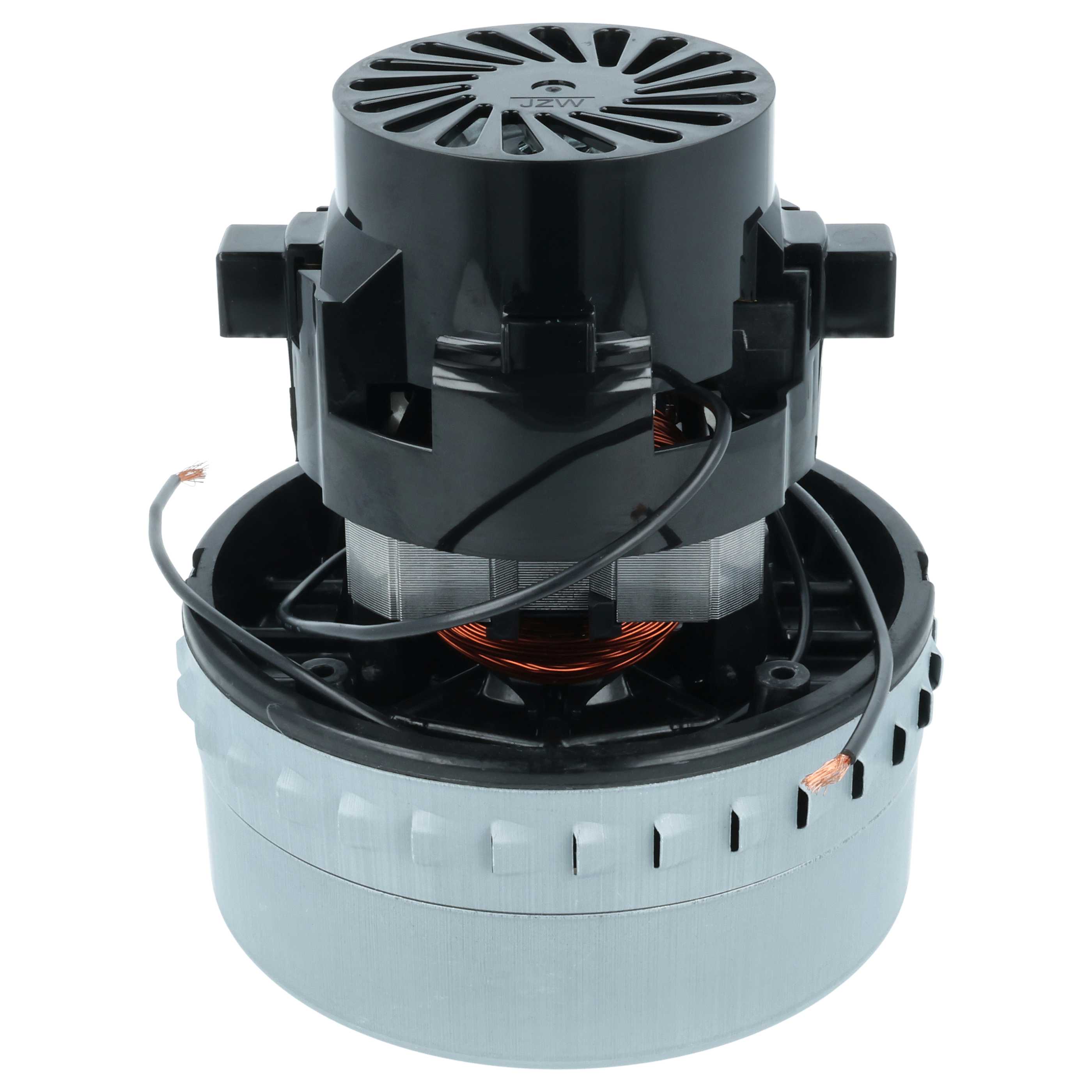


When a vacuum cleaner motor needs replacing
A fan motor is one of the components in a vacuum cleaner that is subjected to the greatest wear and tear, as it runs continuously under load for years on end. Typical signs of a faulty vacuum cleaner motor include a noticeably louder operating noise, a noticeable loss of power, or a machine that won’t switch on at all. Before you throw away the whole vacuum cleaner, it’s worth checking your appliance’s model number, as a suitable replacement motor is available in shops for most popular brands.
Worn-out carbon brushes can also cause symptoms similar to those of a faulty motor, without the need to replace the entire motor unit straight away. An accurate diagnosis before purchasing therefore not only saves money but also prevents unnecessary repair work.
Check motor power, voltage and compatibility correctly
To ensure a new motor works reliably, technical specifications such as wattage, voltage and design must match the originally fitted component exactly. A vacuum cleaner motor with insufficient power will deliver noticeably less suction, whilst an oversized motor may overload the built-in motor protection or damage the housing. With handheld vacuum cleaners, particular attention must also be paid to the compact design, as a handheld vacuum cleaner motor is usually smaller than that of a floor vacuum cleaner.
- Check the model number and appliance type before purchasing
- Compare the wattage and voltage with the original part
- Check the design and connections for compatibility
- Check the condition of the carbon brushes separately
If you are unsure which component is suitable for your appliance, you’ll find further guidance on making the right choice in our overview of vacuum cleaner spare parts. As well as the motor itself, it’s often worth checking the condition of the filters, as a dirty motor filter can further shorten the service life of the fan motor.
Advantages of replacement motors at Electropapa
- Wide selection of vacuum cleaner motors for popular vacuum cleaner brands
- Clear specifications regarding wattage, voltage and motor power
- Affordable alternative to buying a brand-new appliance
- Own-brand ‘vhbw’ for reliable spare parts
- Europe-wide dispatch from our warehouse in Dresden
- Personalised customer service from a family-run business
Find replacement motors by brand and appliance type
As motor design, mounting and electrical specifications vary between manufacturers, we recommend searching directly by brand. Dedicated selection pages are available for Dyson vacuum cleaner motors, Miele vacuum cleaner motors, Bosch vacuum cleaner motors and Siemens vacuum cleaner motors.
In addition, you’ll find further wear parts in the vacuum cleaner accessories section. If you’d also like to improve your appliance’s battery performance, you’ll find suitable vacuum cleaner batteries in our range.