


Key steps for maintaining power tools and garden tools
Power tools and gardening equipment and the like are indispensable aids when it comes to maintaining and landscaping our gardens. To ensure they always work reliably and efficiently, regular maintenance is essential. From cleaning and tool care to battery maintenance – this article offers you a practical guide to the proper upkeep of your tools.
Step-by-step guide to thoroughly cleaning your garden tools
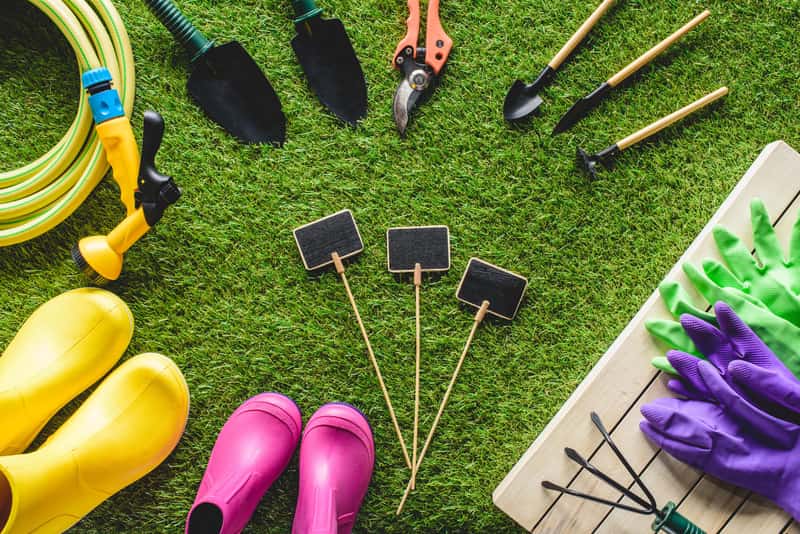
A well-maintained garden requires not only high-quality gardening tools, but also knowledge of how to care for them properly. By ensuring thorough tool hygiene, you not only extend the lifespan of your tools, but also prevent the spread of diseases and pests in your garden. Here is a step-by-step guide on how to effectively clean your garden tools:
- Remove coarse dirt: Tap or brush coarse dirt off the tools. Use a stiff brush or a scraper to remove soil, mud and other deposits. This makes cleaning easier in the following steps.
- Clean with water: Rinse the tools thoroughly with water to remove any remaining dirt. Use a hose or a bucket of water to rinse the dirt off the tools. Make sure to reach all corners and edges to ensure no dirt is left behind.
- Dry the tools thoroughly: Once you have cleaned and disinfected the tools, dry them thoroughly to prevent rust. Use a clean cloth or allow the tools to air dry before returning them to their storage place.
- Oil the tools: To further extend the lifespan of your gardening tools, oil moving parts such as joints and screws. Use a light oil such as machine oil or special tool oil and apply it thinly to the moving parts.
Effective cleaning methods: How to remove stubborn dirt and rust from your tools
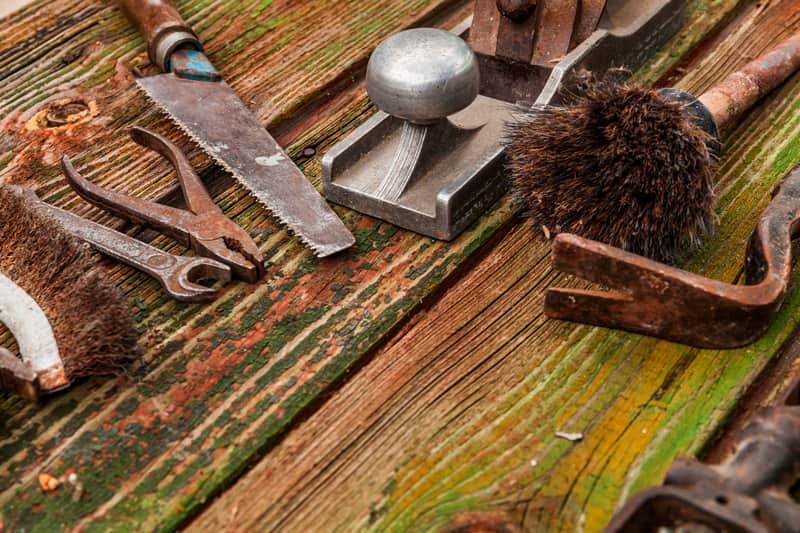
With the right cleaning methods and a little effort, you can effectively remove particularly stubborn dirt and rust from your tools and keep them in top condition. Here are some efficient cleaning methods for removing stubborn dirt and rust from your tools:
Pre-treatment with WD-40 or a similar rust remover: Before you start the actual cleaning, it is advisable to treat the affected tools generously with a rust remover such as WD-40 or a similar product. Spray the rust remover onto the soiled areas and leave it to work for a few minutes. This loosens the rust and makes cleaning easier.
Mechanical cleaning with wire brushes: Once the rust has been loosened, you can remove stubborn dirt and residue with a wire brush. Brush the garden tools thoroughly until all residue has been removed. Make sure to work thoroughly, especially in corners and hard-to-reach areas.
Sandblasting: For heavily rusted tools, sandblasting can be an effective method of removing rust. However, this is more suitable for larger tools or those with a robust surface. Sandblasting involves blowing a mixture of sand and air onto the surface at high pressure, which removes the rust.
Chemical cleaning with acid: For extremely stubborn rust, chemical cleaning with acid may be necessary. There are special acid-based rust removers that can effectively dissolve rust. However, be sure to use these products with care and follow the manufacturer’s instructions exactly to avoid damaging the tools.
Cleaning and preserving tools: Once the rust has been removed, it is important to clean and dry the tools thoroughly to prevent new rust from forming. You can then treat them with a suitable lubricant or rust inhibitor to protect their surface and extend their service life.
Gentle care for delicate tools: Tips for cleaning electric garden tools
Gentle cleaning is particularly important for delicate tools to avoid damage and ensure optimal performance. Through regular cleaning and maintenance, you can ensure that your garden tool is always ready for use and reliably assists you with your gardening tasks.
Cleaning, drying and disinfecting tools correctly
Here are some useful tips for cleaning & maintaining electric garden tools:
- Switch off and allow to cool: Before starting to clean, all electric garden tools should be switched off and disconnected from the mains. It is also important to allow them sufficient time to cool down, especially if they have been used recently and are still hot.
- Removing dirt and deposits: Coarse dirt particles and deposits can be removed from the surfaces of the garden tools using a soft brush or paintbrush. Care must be taken not to use aggressive cleaning agents, as these could damage the sensitive parts.
- Caution when using water: Electric garden tools should only be cleaned with water if they are specifically designed for this purpose and are waterproof. In this case, a gentle jet of water can be used to remove dirt and residues. Otherwise, it is advisable to avoid using water and to use dry cleaning methods instead.
- Cleaning cutting tools: For electric garden tools with cutting tools, such as hedge trimmers or grass trimmers, regular cleaning of the blades is particularly important. After removing coarse dirt, the blades can be cleaned and maintained with a soft cloth and a little oil to prevent rust formation and optimise their cutting performance.
- Storing and drying garden tools: After cleaning, the electric garden tools should be thoroughly dried to prevent corrosion. They should then be stored in a dry and well-ventilated place, ideally in a protective cover or cupboard, to protect them from dust and moisture.
- Regular maintenance: In addition to cleaning, regular maintenance of electric garden tools is important to maintain their performance in the long term. This may include checking and, if necessary, tightening screws, re-oiling moving parts and replacing worn components.
Natural cleaning solutions: Environmentally friendly methods for cleaning your garden tools without chemicals
Traditionally, many people turn to chemical cleaning products to remove stubborn dirt and rust. However, these products may contain harmful chemicals that can not only affect our health but also harm the environment.
Fortunately, there are a variety of natural cleaning solutions that are both environmentally friendly and effective. These methods are not only gentle on the environment, but also on your health and that of your plants. Below, we present some of these natural cleaning methods to help you clean your garden tools without the use of harmful chemicals.
Vinegar: Vinegar disinfects and is a versatile and effective cleaning agent found in almost every household. Its acidity works effectively against rust, dirt and limescale. Simply mix water and vinegar in a 1:1 ratio and use this solution to wipe down or soak your garden tools. For stubborn dirt, you can also use the vinegar undiluted.
Baking soda: Baking soda is another natural cleaning agent that is ideal for cleaning garden tools. Mix bicarbonate of soda with water to form a paste and apply it to the dirty areas of your tools. Leave the paste to work for a few minutes before rinsing it off. Bicarbonate of soda is particularly effective against grease and oil residues.
Lemon juice: Lemon juice is not only refreshing and fragrant, but also an effective cleaning agent. The natural acidity of the lemon helps to remove rust and disinfect surfaces. Apply the lemon juice directly to the dirty areas of your gardening tools and leave it to work for a few minutes before rinsing it off.
Bicarbonate of soda solution: A solution of bicarbonate of soda and water is another eco-friendly way to clean your garden tools. Simply mix bicarbonate of soda with water to form a paste and apply it to the dirty areas. Leave the paste to work for a while before rinsing it off with water. Bicarbonate of soda is particularly effective against stubborn deposits and encrustations.
Green tea: Green tea is not only a healthy drink, but can also be used as a natural cleaning agent. The antioxidants in green tea help to dissolve dirt and bacteria. Prepare a strong green tea solution and use it to soak your garden tools. You can then rinse the tools with water and dry them.
Battery care for garden tools: Maximise the performance and lifespan of your batteries
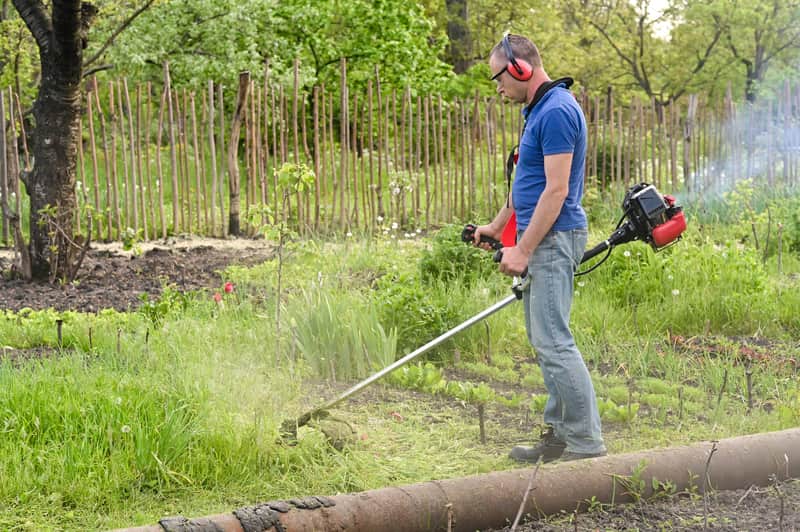
Cordless garden tools not only offer a convenient alternative to their petrol-powered counterparts, but are also quieter and emission-free. However, it is important to understand that battery maintenance plays a crucial role in their performance and lifespan. We’ll now share some tips on how to get the maximum performance and lifespan out of your garden equipment.
Tips for optimal battery use: How to maximise the runtime of your garden tools:
- Use high-quality batteries: Invest in high-quality batteries that have been specifically developed for use in garden tools. These generally last longer and offer better performance than cheaper alternatives. Our online shop at Electropapa offers a wide selection in this regard.
- Fully charge and discharge: If you are using NiMH batteries, you should fully charge them before first use and then fully discharge them again. This helps to achieve the maximum capacity of the NiMH battery and avoid the so-called ‘memory effect’. Please note, however, that this practice is harmful to Li-ion batteries and should therefore not be carried out with them.
- Regular charging: Charge your batteries regularly, even if they are not fully discharged. Lithium-ion batteries, for example, have no memory effect and can be charged at any time.
- Avoid overcharging: Do not leave the batteries connected overnight or for extended periods, as this can lead to overcharging, which shortens the battery’s lifespan.
- Use energy-saving modes: Many modern battery-powered garden tools & similar equipment have different power modes. Use the energy-saving mode for light tasks and switch to high-power mode when you need more power. This helps to extend the battery life.
Maintenance and storage: guidelines for the safe and effective care of your batteries
To ensure batteries operate reliably and efficiently, proper maintenance and storage are essential. We will now take a look at the best practices for maintaining your batteries to maximise their lifespan and provide you with a few guidelines to minimise potential safety risks.
Proper maintenance:
If you want to keep your battery-powered garden tools in top condition, it is important to carry out regular maintenance on the batteries. This includes:
- Regular cleaning: Keep the battery terminals clean by removing dirt, dust and corrosion. If necessary, use a dry, clean cloth to clean them. Dirty terminals can affect battery performance and lead to connection problems.
- Quality-conscious replacement: When it is time to replace batteries, invest in high-quality replacement batteries (such as those from Electropapa) that are suitable for your specific garden tools. Cheap or inferior batteries can affect the performance of your garden tools and pose safety risks.
- Follow the manufacturer’s instructions: Always read the manufacturer’s instructions for the maintenance and use of the batteries. Each manufacturer may have specific instructions that you should follow.
Proper storage:
The way batteries are stored can have a significant impact on their performance and lifespan. Here are some important guidelines on how you should store your batteries or garden tools:
- Temperature: Batteries should be stored at moderate temperatures, ideally between 15°C and 25°C. This is because extremely high or low temperatures can affect the chemical processes inside the battery and impair its performance.
- Humidity: High humidity can lead to corrosion and other damage to the batteries. Store garden tools in a dry place to avoid exposure to moisture.
- Discharge level: Before storing a garden tool, ensure that the battery is partially discharged, to around 40–50% of its capacity. A fully charged or fully discharged battery may be damaged during storage.
- Insulation: If you are storing garden tools for an extended period, it is advisable to store the batteries externally in a well-insulated container to protect them from extreme temperatures and other harmful environmental influences.
Safety precautions:
Finally, it is important to observe some basic safety precautions when handling batteries:
- Avoid mechanical damage: Batteries should be protected from knocks, drops or other mechanical impacts to prevent damage to the outer casing and potential leakage.
- Disposal: Dispose of obsolete or damaged batteries in accordance with local regulations for electronic waste. Batteries contain potentially harmful materials and should not simply be disposed of in household waste.
- Fire hazard: Please note that lithium-ion batteries can catch fire if handled improperly or damaged. Therefore, keep them away from heat sources and do not use them if they are damaged.
High-quality spare parts for garden tools from Electropapa
Regular maintenance of your power tools and garden tools is crucial to maintaining their performance and lifespan.
At Electropapa, we understand the importance of these steps and offer a wide range of high-quality replacement batteries, Carbon brushes, Chargers and other spare parts to ensure your equipment is always ready for use: Tools & Garden Tool Accessories
So don’t miss the chance to optimise your tools and maximise their performance. Invest today in the right care and maintenance and visit our Electropapa shop to keep your equipment in top condition!
Was this post helpful?
Thank you for your feedback!